Modernizing Legacy Systems While Keeping the Lights On
For many organizations, legacy systems are the backbone of daily operations. Yet, these aging platforms often limit agility, increase maintenance costs, and expose critical risks. The challenge is clear: how do you modernize essential technology without bringing business to a halt?
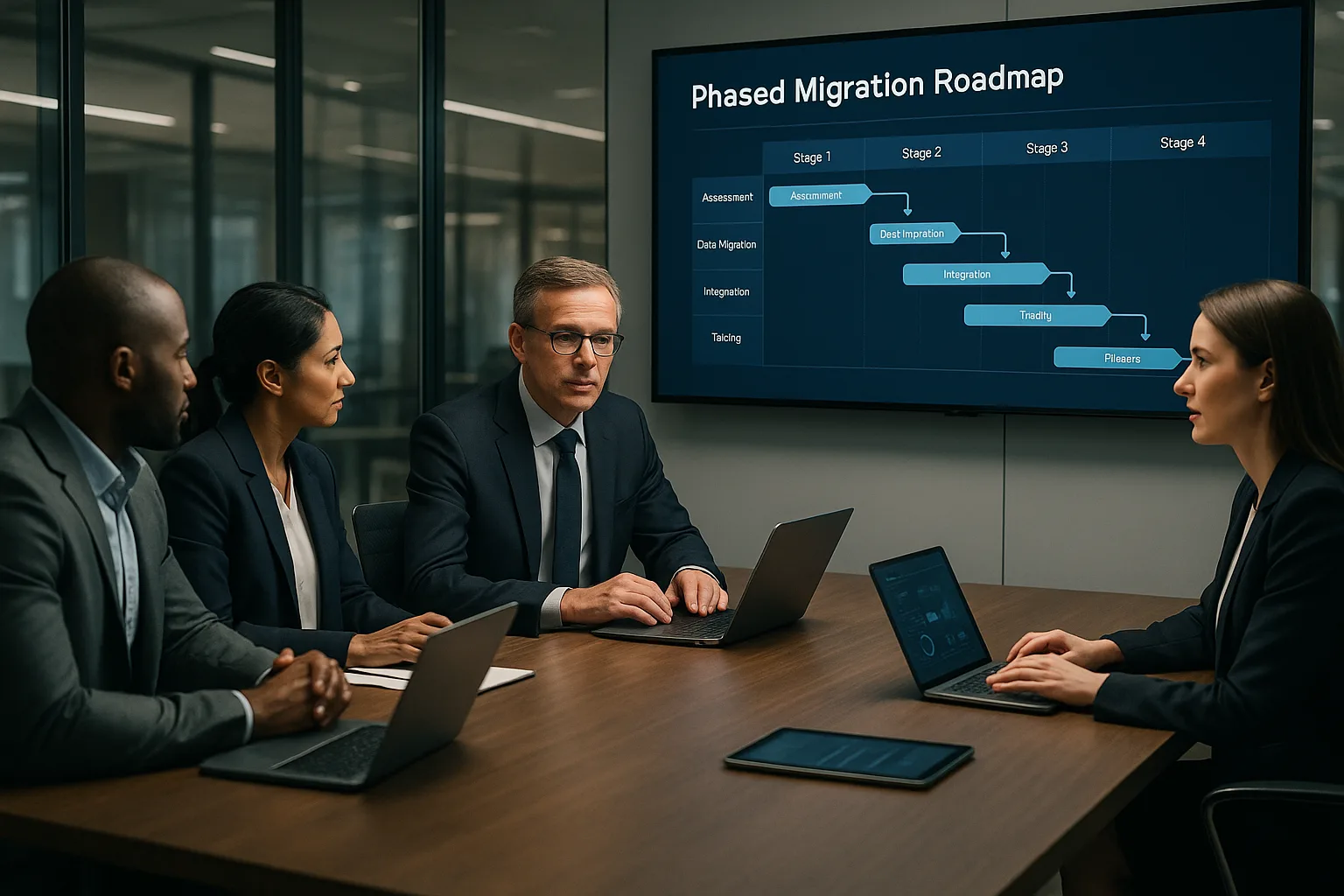
Unlike "big bang" cutovers, which replace old systems in one swoop (and risk major disruption), most enterprises now favor phased migration and coexistence. These approaches allow new and old systems to run side by side, minimizing downtime and operational risk.
Why Modernization Without Disruption Matters
Few organizations can afford a prolonged outage or major operational risk. Consider these practical realities:
- Continuous Operations: Manufacturing, logistics, finance, and service companies often run 24/7. Even short outages can mean lost revenue or regulatory breaches.
- Complex Dependencies: Legacy systems are often deeply integrated with other platforms, custom workflows, and external partners. Replacing them in one go is rarely feasible.
- Risk Management: Abrupt changes can introduce data loss, compliance gaps, or operational confusion—especially if staff are unprepared for new processes.
Modernization strategies that prioritize business continuity are essential for organizations with critical workloads and complex environments.
Main Approaches: Phased Migration and Coexistence
Modernizing without stopping operations typically involves two core strategies:
- Phased Migration: Gradually moving specific modules, business units, or workflows to the new system over time. This allows for incremental testing, training, and rollback if issues arise.
- System Coexistence: Running legacy and modern systems in parallel, often with integration layers to synchronize data and processes. This approach supports a gradual transition and reduces the risk of a single point of failure.
Comparison Table: Phased Migration vs. Big Bang Replacement
| Approach | Operational Disruption | Risk Profile | Implementation Effort | Business Impact |
|---|---|---|---|---|
| Phased Migration & Coexistence | Minimal, managed | Lower, incremental | Higher, sustained over time | Continuous, supports learning |
| Big Bang Cutover | High, all-at-once | Higher, single point of failure | Intense, short duration | Significant risk of disruption |
Practical Implementation Criteria
Successful modernization without disruption depends on careful planning, clear criteria, and realistic expectations. Consider these key factors:
- System Inventory and Mapping: Document all integrations, data flows, and business dependencies. Overlooked connections are a common source of failure.
- Interface and Data Synchronization: Design robust APIs or middleware to keep legacy and modern systems in sync during coexistence. This is critical for data integrity and operational consistency.
- Change Management and Training: Plan for incremental staff training and support as new features or modules go live. Early user feedback helps surface issues before full rollout.
- Rollback and Contingency Planning: Each migration phase should have a clear rollback path in case of unexpected issues. Test these plans before going live.
- Performance and Security Monitoring: Monitor both legacy and new systems for performance bottlenecks, data mismatches, or security vulnerabilities throughout the transition.
Common Mistakes and Warning Signs
Even well-planned modernization projects can stumble. Watch for these warning signs:
- Underestimating Integration Complexity: Legacy systems may use outdated protocols, undocumented data structures, or custom business logic that's hard to replicate.
- Poor Communication: Users, IT, and business stakeholders need ongoing updates. Silence breeds confusion and resistance.
- Inadequate Testing: Rushing to production without thorough parallel testing can expose hidden incompatibilities or data issues.
- Neglecting User Experience: If new interfaces or workflows disrupt daily routines, adoption will lag and errors will increase.
- Overlooking Regulatory or Compliance Factors: Data residency, audit trails, and reporting requirements must be maintained throughout the migration.
Conclusion: Next Steps for a Low-Disruption Modernization
Modernizing legacy systems without stopping operations is a complex but achievable goal. The key is to approach the transition as a managed, phased program—grounded in clear mapping, robust integration, and constant risk management. For many organizations, the safest path is incremental: start with non-critical modules, validate coexistence strategies, and scale up as confidence grows.
For leaders considering modernization, the next step is a thorough assessment: inventory dependencies, map integration points, and define clear migration phases. Consulting with experienced partners can help uncover hidden risks and accelerate planning, but the ultimate success depends on organizational alignment and disciplined execution.
If you need a structured assessment or want to discuss phased modernization strategies tailored to your environment, SGUARD offers consultative support—reach out for a conversation, not a sales pitch.